
Description
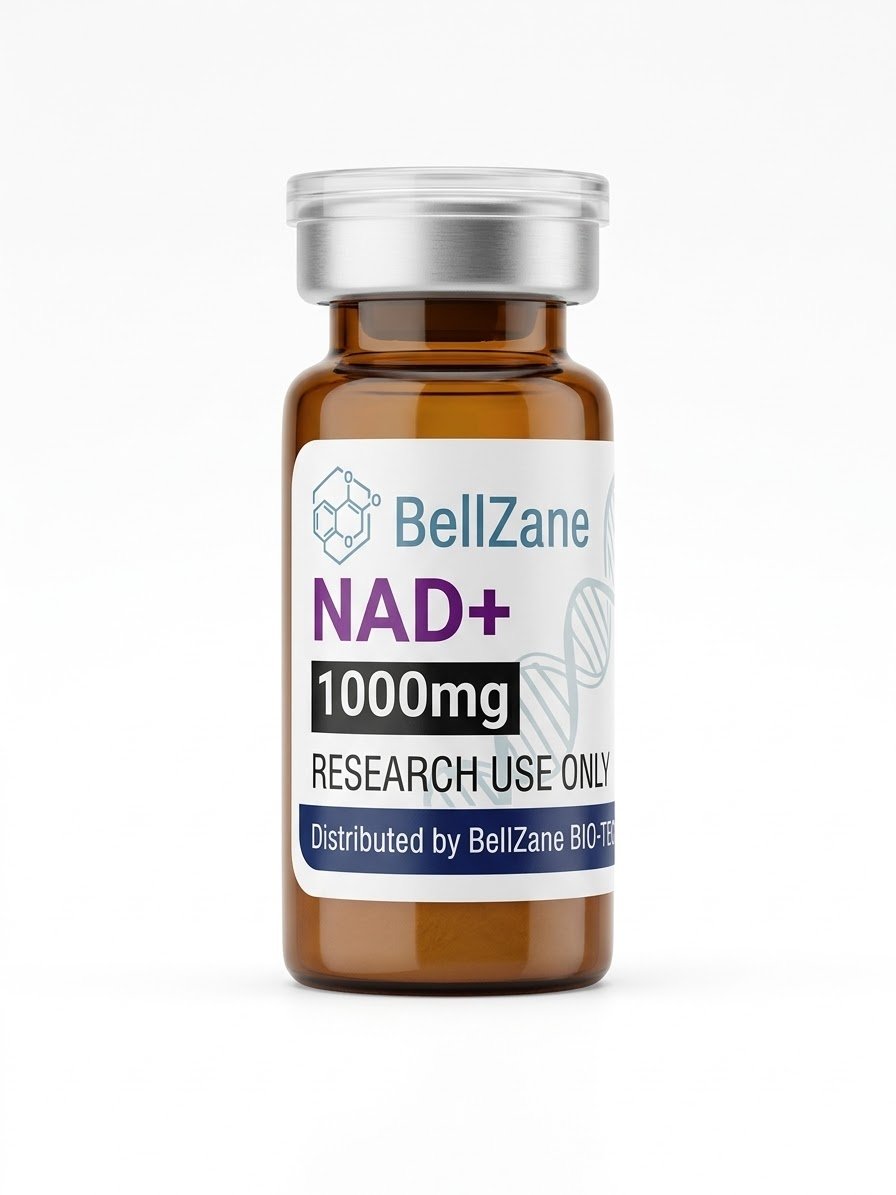
Product Overview: NAD+ (Nicotinamide Adenine Dinucleotide)
NAD+ (Nicotinamide Adenine Dinucleotide) is an essential coenzyme found in every living cell, existing in two states: oxidized (NAD+) and reduced (NADH). Central to cellular metabolism, NAD+ acts as a primary electron transporter in mitochondrial oxidative phosphorylation, enabling the generation of cellular ATP. Beyond energy transfer, NAD+ serves as a critical substrate for key enzymatic regulators, including sirtuins (SIRT1–SIRT7) and poly(ADP-ribose) polymerases (PARPs), making it a cornerstone research compound for studying cellular aging, DNA repair, and metabolic longevity.
Primary Research Applications & Reasons for Study
- Mitochondrial Bioenergetics: Facilitating electron transfer within the inner mitochondrial membrane to optimize Krebs cycle flux and oxidative ATP synthesis.
- Sirtuin Activation & Epigenetic Regulation: Serving as a rate-limiting substrate for SIRT1 and SIRT3 enzymes, which regulate mitochondrial biogenesis, fatty acid oxidation, and cellular stress resistance.
- PARP-Mediated DNA Repair: Activating Poly(ADP-ribose) polymerases (PARP1) to recognize and facilitate the repair of single- and double-strand DNA damage.
- Neuroprotection & Age Mitigation: Investigating the preservation of axonal integrity, prevention of age-related NAD+ depletion, and reduction of neurodegenerative markers in cell culture protocols.
Expected Research Results & Timeline Metrics
- Phase 1 / Days 1–3
Intracellular Pool Replenishment: Rapid elevation of the intracellular NAD+/NADH ratio and immediate increase in baseline mitochondrial respiration rates. - Phase 2 / Weeks 1–3
Enzymatic Activation & Repair: Statistically significant upregulation of SIRT1 deacetylase activity, enhanced DNA strand break clearance via PARP activation, and increased ATP production. - Phase 3 / Weeks 4–8
Mitochondrial Biogenesis & Longevity Shifts: Measurable increase in mitochondrial mass (PGC-1α expression), improved glucose homeostatic pathways, and reduced cellular senescence markers in aging models.
Key Research Benefits
- Master Metabolic Regulator: Serves as the central link between nutrient sensing, ATP generation, and epigenetic signaling.
- Drives Genomic Stability: Essential substrate required for structural chromatin remodeling and DNA damage repair mechanisms.
- Restores Age-Related Deficits: Directly counters the progressive, natural decline of NAD+ levels associated with metabolic dysfunction and cellular senescence.
- Versatile Research Standard: Fundamental control compound for studies involving bioenergetics, mitochondrial disease, oncology, and neurobiology.
THIS PRODUCT IS INTENDED SOLELY FOR IN VITRO LABORATORY RESEARCH AND EXPERIMENTAL PURPOSES. It is strictly prohibited for human consumption, clinical trials, therapeutic administration, cosmetic use, or veterinary application. This product is not an FDA-approved drug, medical food, or dietary supplement. It is not intended to diagnose, treat, cure, or prevent any disease, illness, or medical condition. Any handling, reconstitution, or experimentation involving this chemical compound must be conducted strictly by qualified, trained laboratory professionals utilizing appropriate containment and personal protective equipment in accordance with scientific biosafety standards. Buyers and users assume full liability for compliance with local, state, and federal laws regarding the handling and possession of research compounds.